Ember-Resistant Gutter Guards
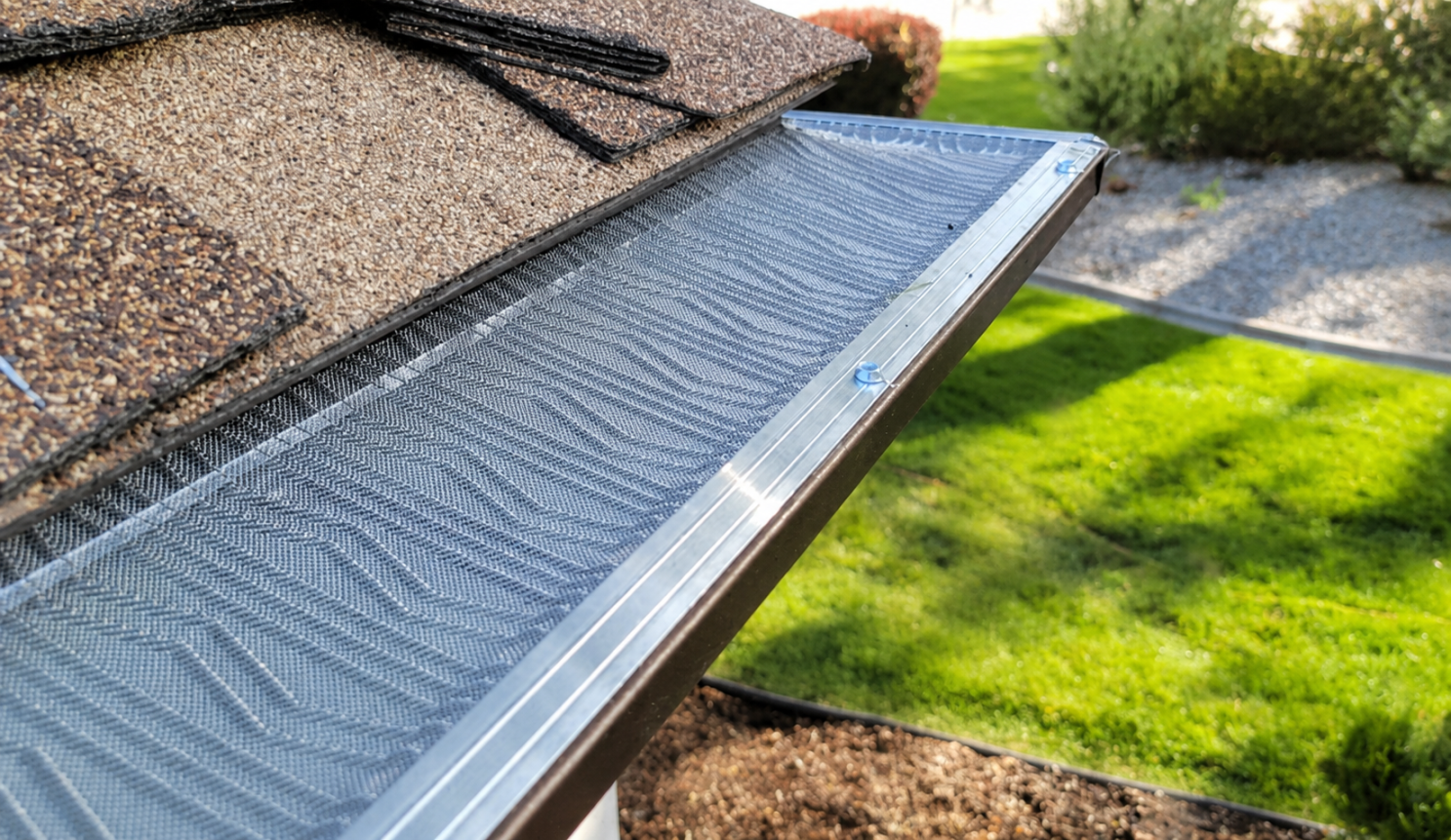
We install fire-resistant gutter guard systems designed to reduce pine needles, leaves, bark, and roof debris buildup while still allowing water to flow properly.
Wildfire Risk Mitigation
We install ember-resistant gutter guards, vent protection, under-deck mesh, and practical home-hardening upgrades that help reduce wildfire risk from wind-blown embers before they find vulnerable openings around your home.
Services Offered
We install fire-resistant gutter guard systems designed to reduce pine needles, leaves, bark, and roof debris buildup while still allowing water to flow properly.
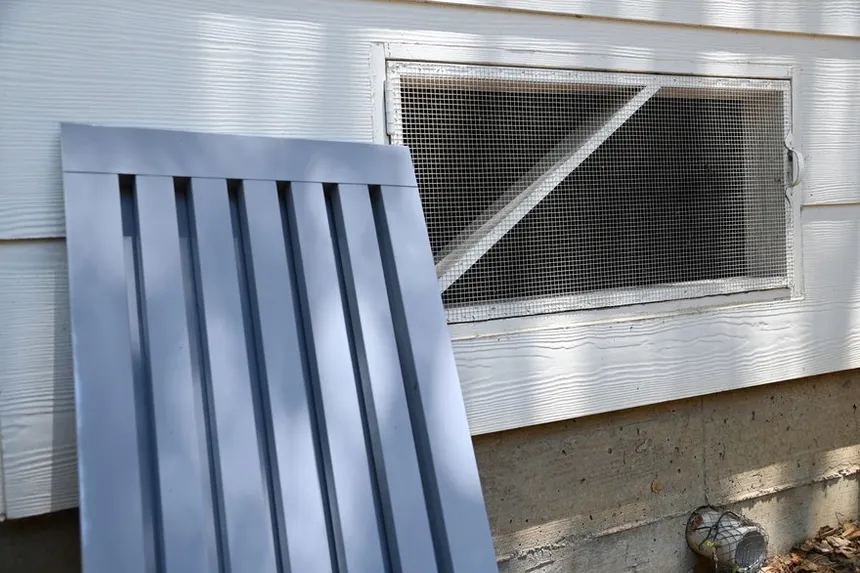
We install or retrofit vent coverings for attic, crawlspace, gable, and soffit vents to help reduce the chance of embers entering concealed spaces.
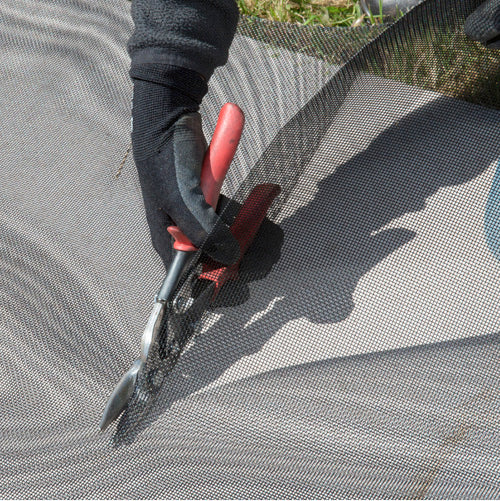
Decks, stairs, raised structures, and vulnerable gaps can collect combustible debris. Fire mesh helps reduce ember access below these areas.
Every gutter guard estimate includes a free fire risk assessment so you can understand practical improvements that reduce ember exposure and support your overall wildfire-readiness plan.
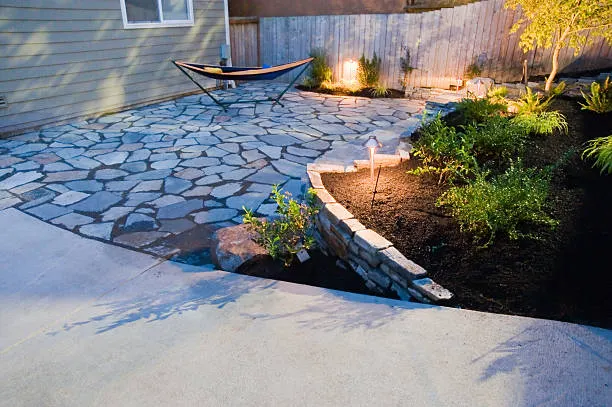
We help identify high-risk materials around the home, especially in the first 0-5 feet, and explain what should be improved.
For vegetation removal, pruning, or larger landscape modifications, we coordinate with trusted local landscaping companies who get the job done right at competitive costs.
Gutter Guard Benefits
Ember-resistant gutter guards give homeowners a practical wildfire-readiness upgrade while also solving the ordinary gutter problems that come with pine needles, leaves, snowmelt, and seasonal debris.
Helps keep leaves, pine needles, bark, and roof debris out of the gutter trough where it can clog water flow or become dry fuel.
Reduces the need to climb ladders for routine gutter cleaning, especially during heavy pine needle seasons and before fire weather.
Helps maintain gutter and downspout performance during rain and snowmelt by reducing clogs and debris dams.
Our Home Hardening Process
The strongest wildfire protection starts with a combination of structural home-hardening upgrades and defensible space improvements within the first 5 feet of your home. We provide a clear breakdown of recommended improvements and costs, then let you choose which upgrades you would like us to complete.
You request an estimate for gutter guards or another home-hardening service. During that visit, we identify obvious ember-entry points, ignition risks, and practical improvement opportunities at no extra cost.
We install selected improvements such as ember-resistant gutter guards, vent mesh, under-deck mesh, and other protection details that fit your home and priorities.
We coordinate with trusted local landscaping partners to implement landscaping-related defensible space improvements.
We close out the project with a clear summary of completed work, recommendations, a set of pre and post-project photos, and remaining optional improvements to consider over time.
Why It Matters
Central Oregon homes are increasingly more vulnerable to the risk of wildfires. Home hardening helps reduce the ways embers can collect, enter, or ignite vulnerable areas of the home itself.
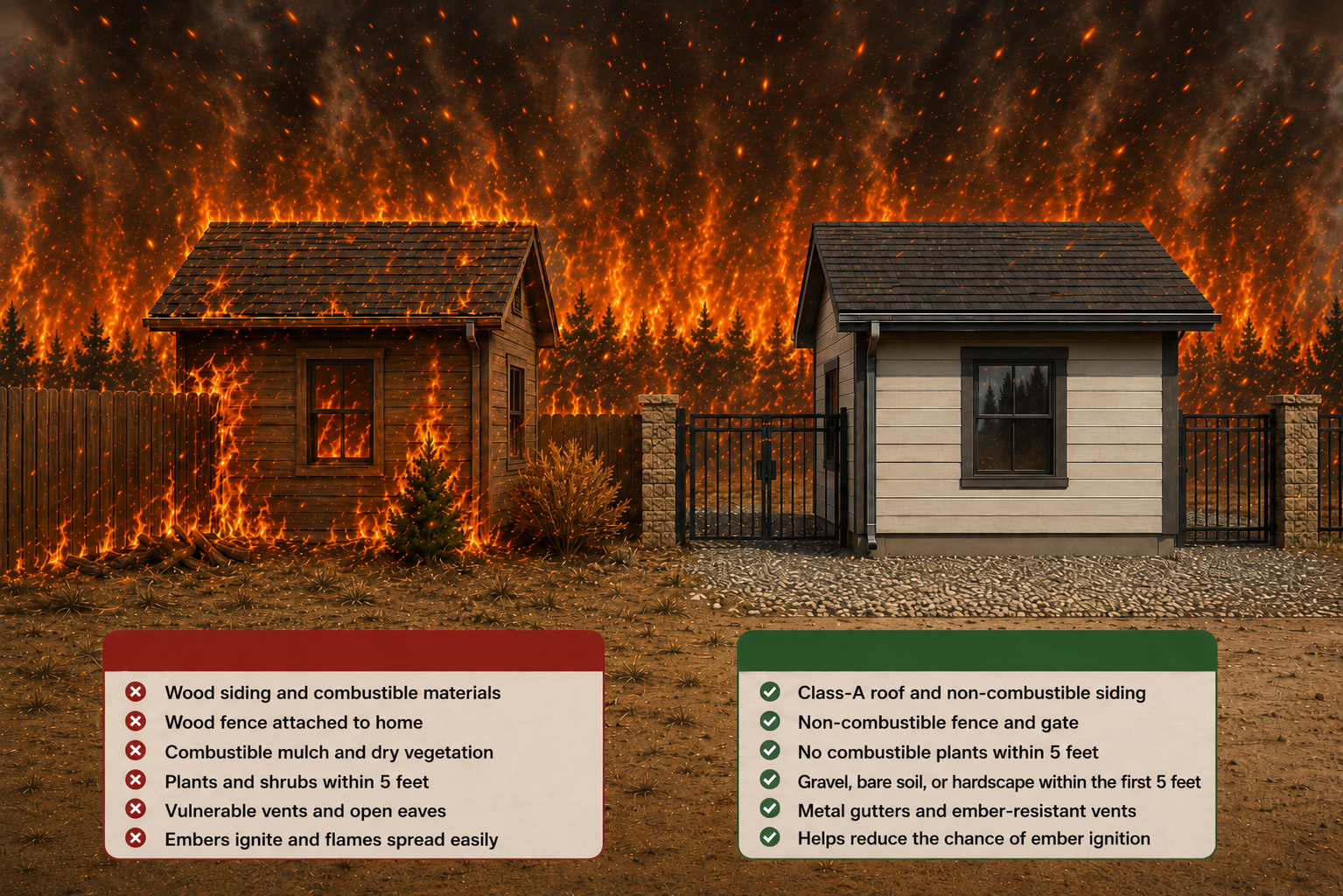
Built for Central Oregon
Home hardening is not about fear. It is about taking visible, practical action before peak fire weather: reducing debris in gutters, protecting vents, addressing under-deck areas, and documenting improvements that may be viewed favorably by some insurers.
Many Central Oregon neighborhoods sit near wildland vegetation, dry fuels, juniper, pine needles, and wind exposure.
The home itself and the area around it both matter. Home hardening and defensible space work together.
Completed work can help document practical risk-reduction improvements. Ask your insurance provider how home-hardening upgrades may affect your policy.
Before Fire Season
Every gutter guard estimate includes a free fire risk assessment so you can understand vulnerable areas, reduce routine gutter maintenance, and decide which practical home-hardening upgrades make sense before fire season.